
Breathing Tools for Performing under Pressure
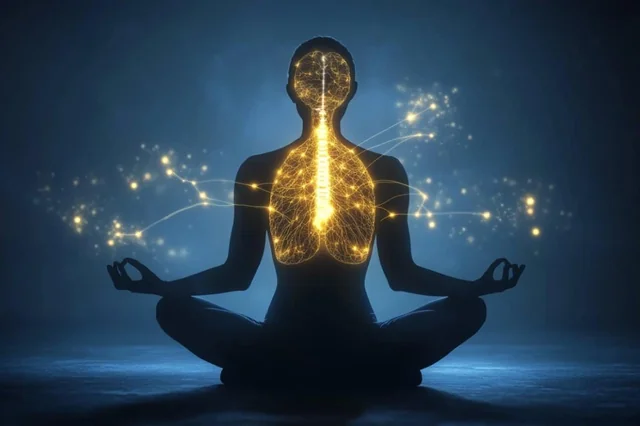
| Feeling anxious about an important event? Start with breathing! It helps calm your mind and prepares you for tools like mindfulness and self-talk, which can boost your confidence and performance. Breath control offers a transformative way to improve your performance and reduce stress. Start by paying attention to your breath to manage energy and power. This simple practice can improve mental clarity, body control, calmness under pressure, and overall resilience. “When you can stay grounded in yourself, especially when others are spinning, you bring something rare into the room: regulation.” Cory Muscara – Mindfulness Teacher. Mindful breathing is essential for focusing the mind and controlling body energy. It engages the parasympathetic nervous system, promoting calmness and focus, while overriding the sympathetic nervous system’s fight-or-flight responses, allowing for more efficient work and full use of your capabilities. “The most powerful intervention you can bring into any space is your own nervous system.” Cory Muscara It’s common to feel anxiety before important events, with symptoms like a fast heartbeat, tightness, loss of focus, and difficulty breathing. Even pros like athletes and seasoned performers deal with this. They rely on breathwork and other methods to stay calm and perform well By practicing breath control, you can strengthen your breathing muscles and boost your stamina, endurance, and overall well-being. In a recent client session, we talked about deep belly breathing. It opens up space and freedom in the body and mind, improving ease and focus. Shallow chest breathing, or ‘choker’s breath’, restricts flow and tightens the body Try these breathing techniques for performance and stress reduction: |
Diaphragmatic breathing, or Belly breathing, involves utilizing the diaphragm to its full capacity.
- Find a comfortable position and place one hand on your chest and the other on your belly.
- Inhale slowly through the nose and feel your belly expand, like you are inflating a balloon.
- Pause for a couple of beats while holding the inhale.
- Exhale slowly through the mouth or nose. You will feel the belly contract as you release the air. To elicit a relaxation response, have your exhale be longer than the inhale. The ratio of 4:7 is ideal.
- Repeat several times. Then notice the shift of your nervous system and any other symptoms you may have experienced before breathing.
Box Breathing – Used by the Navy Seals, this breath creates a mental environment that is clear and aware of what is needed to take control. Attention is steady and focused.
- Inhale through the nose to the count of 4.
- Hold the inhale for 4 counts.
- Exhale to the count of 4.
- Hold the exhale for 4 counts.
- Repeat this breathing sequence several times.
Andrew Huberman, PhD, a neuroscientist and Stanford professor, shares a short and in-depth video on the Physiological Sigh breathing technique. This is super informative!
We breathe most of our lives without thinking. By becoming aware of our mental, physical, and emotional states, we can use our breath as a powerful tool to handle life’s challenges.
Like learning a sport or a subject, purposeful breathing gets better with practice. Start with a 5-minute breathing exercise before bed or during downtime. Gradually use it in mildly stressful situations. Finally, use your breath in real time as you anticipate and are performing in your pressure moments.
This powerful tool is a game-changer! Experience life and performance improvements that will leave you amazed!